What is IT asset disposition?
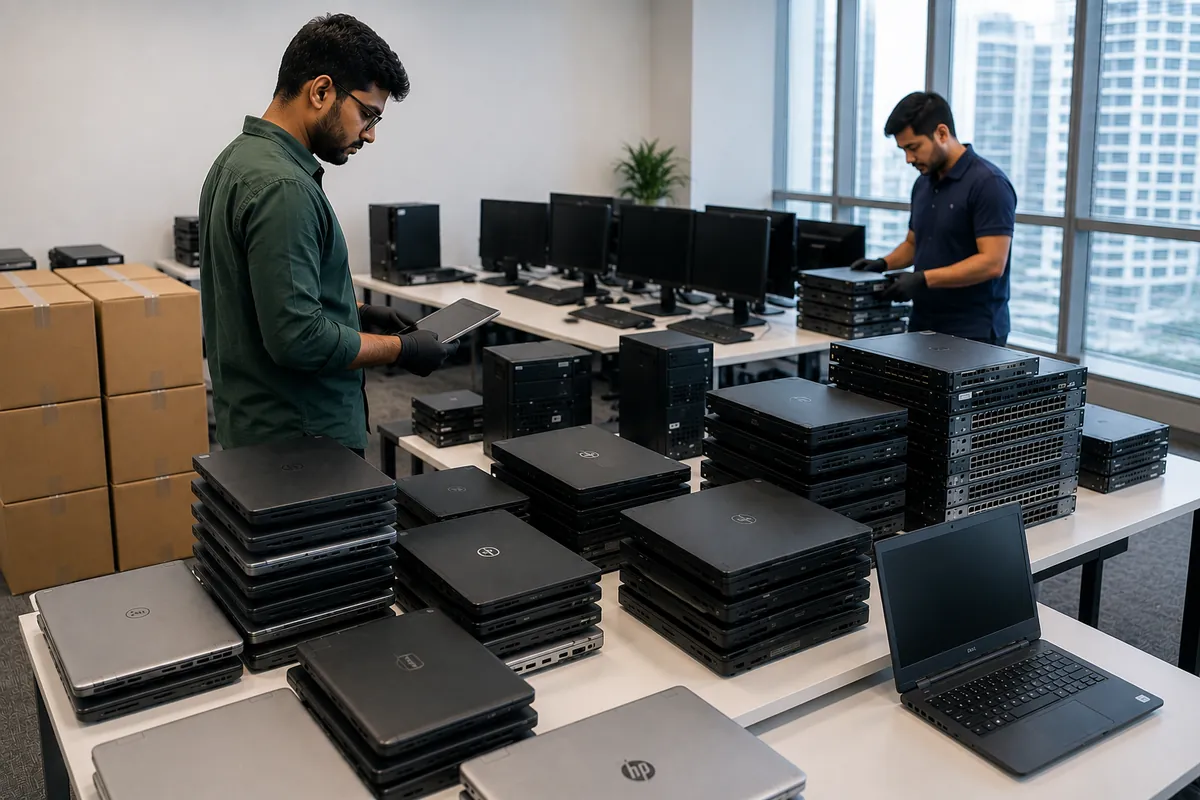
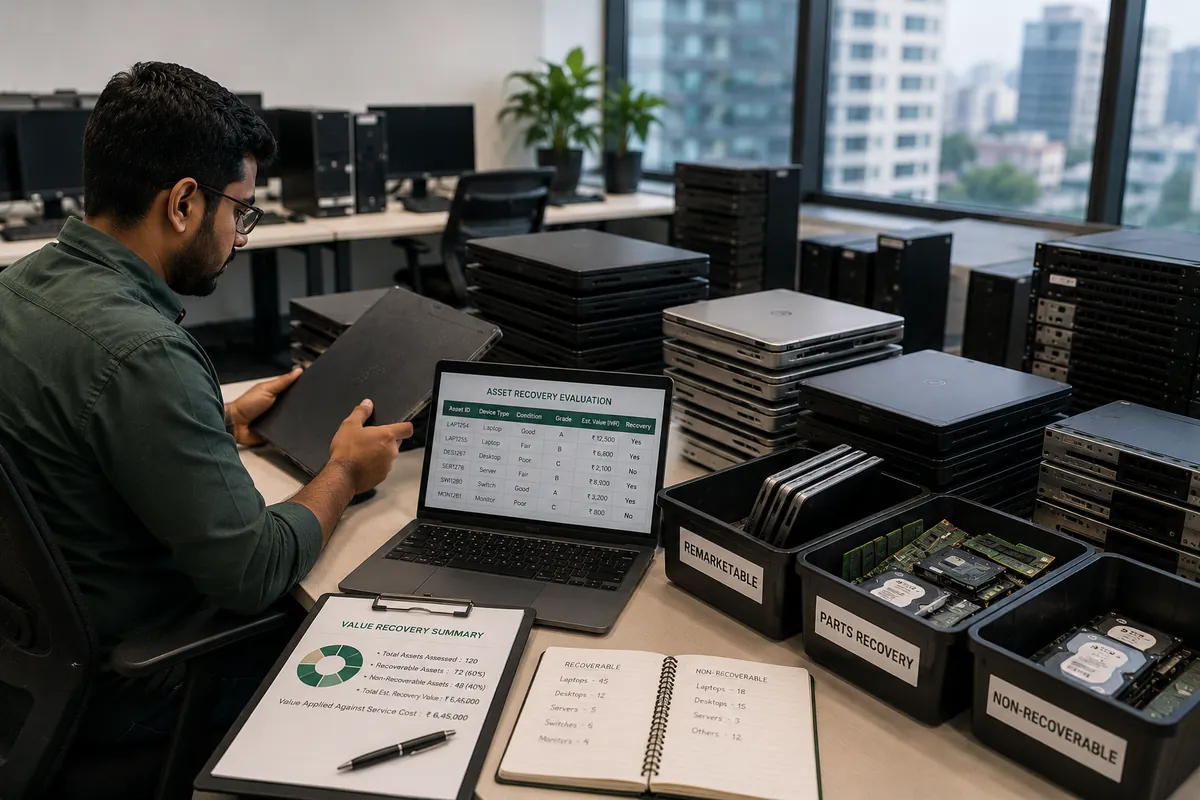
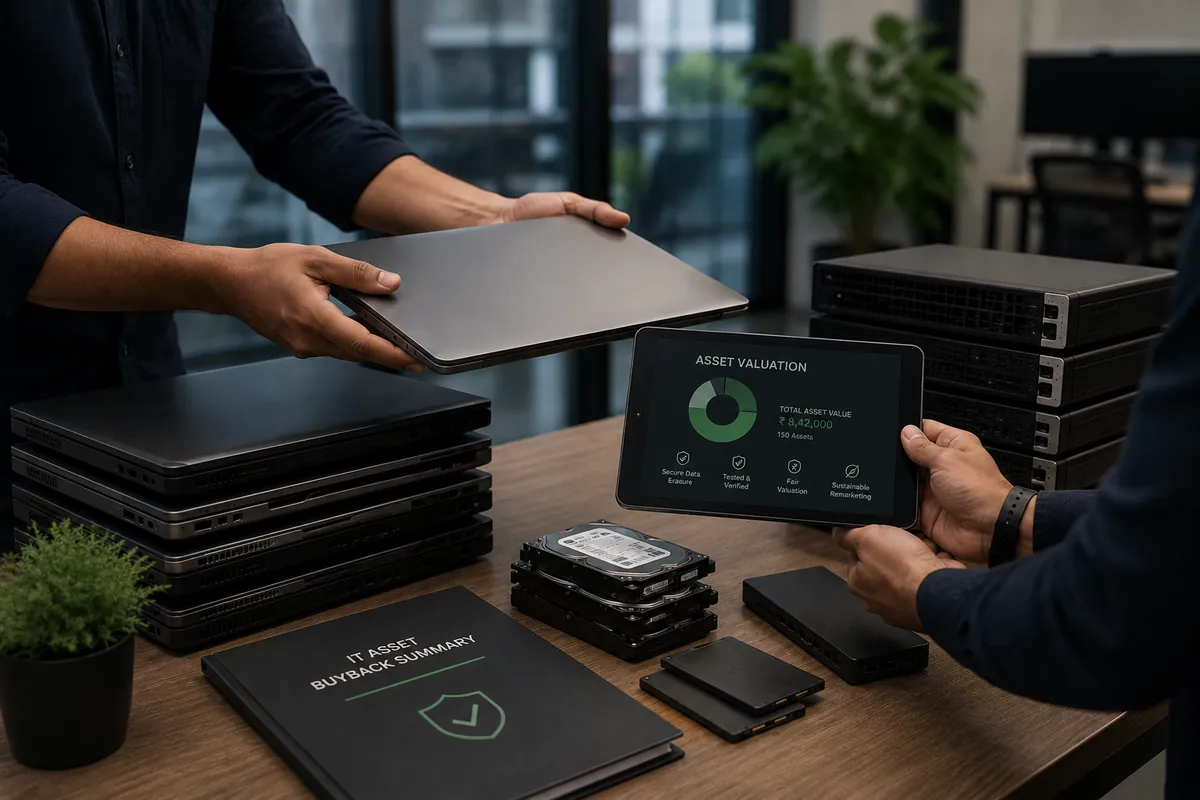
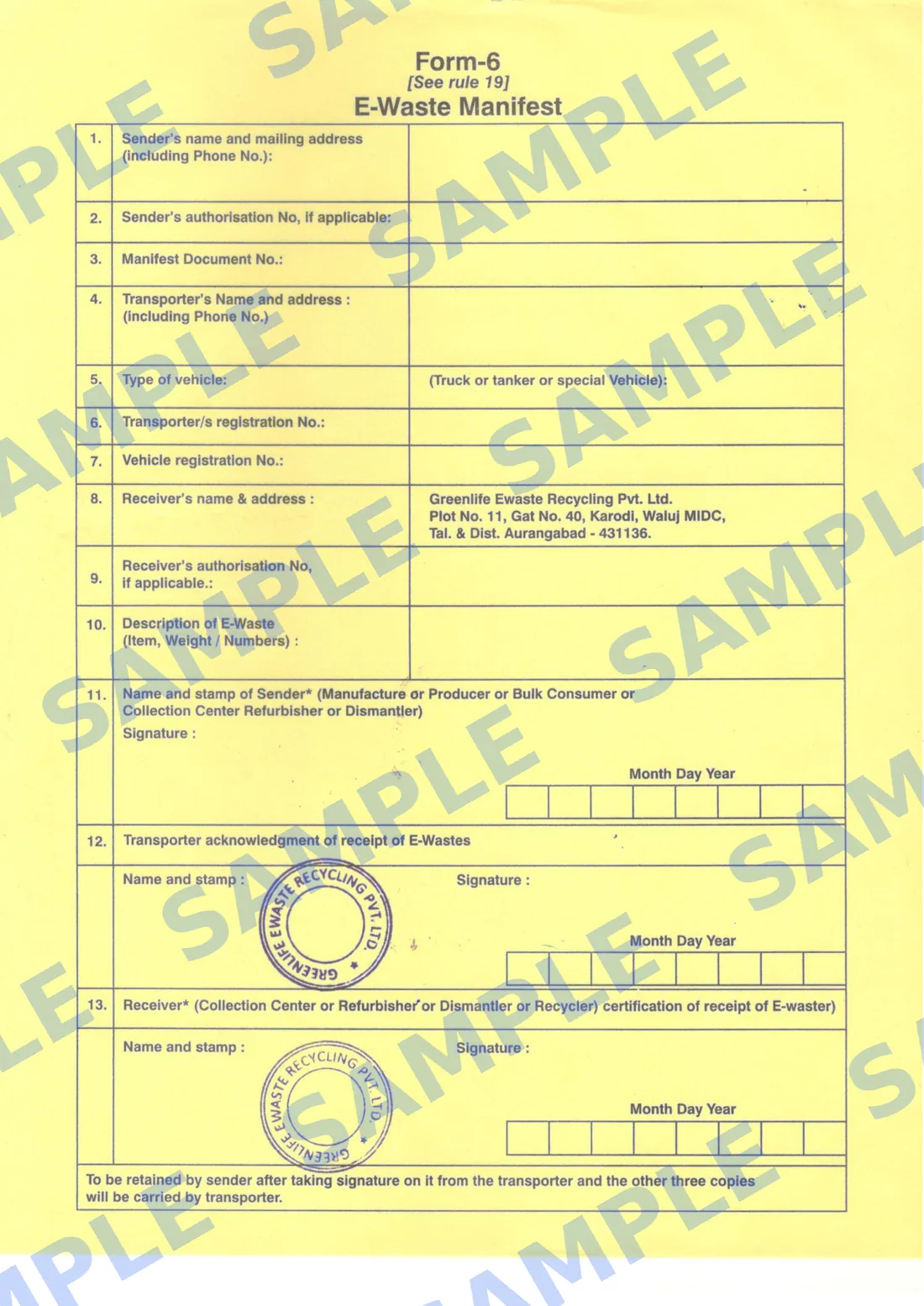
IT asset disposition is the process of retiring IT equipment in a way that leaves a record. It covers four things in sequence: collecting the equipment, destroying the data on media-bearing devices, recovering resale value where any exists, and recycling the remainder through a pollution-control-board-authorised facility. E-waste pickup covers only the last of those four. The difference that matters to a regulated business is documentation: who took the equipment, when, and where it went.
How do I choose an ITAD vendor in India?
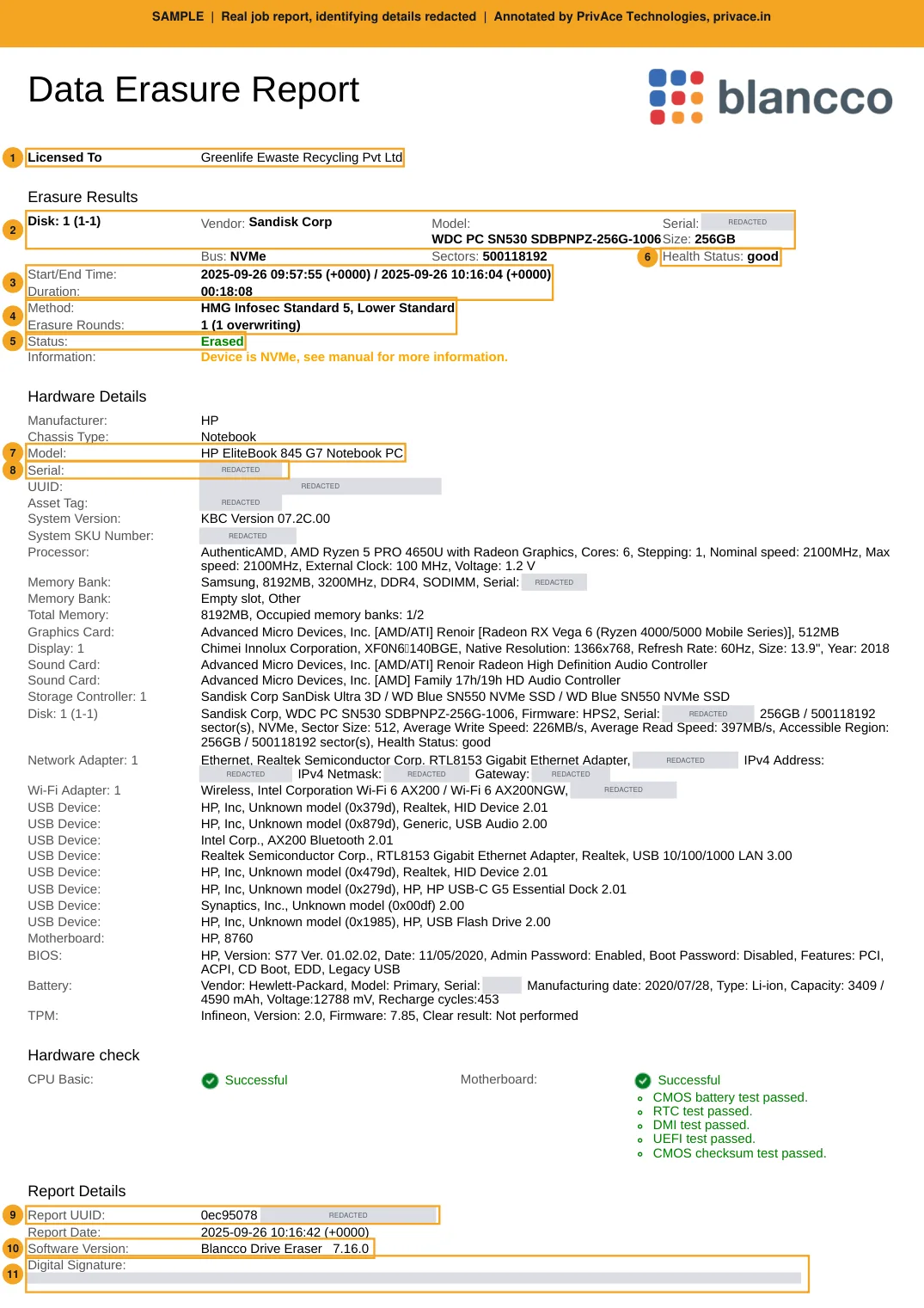
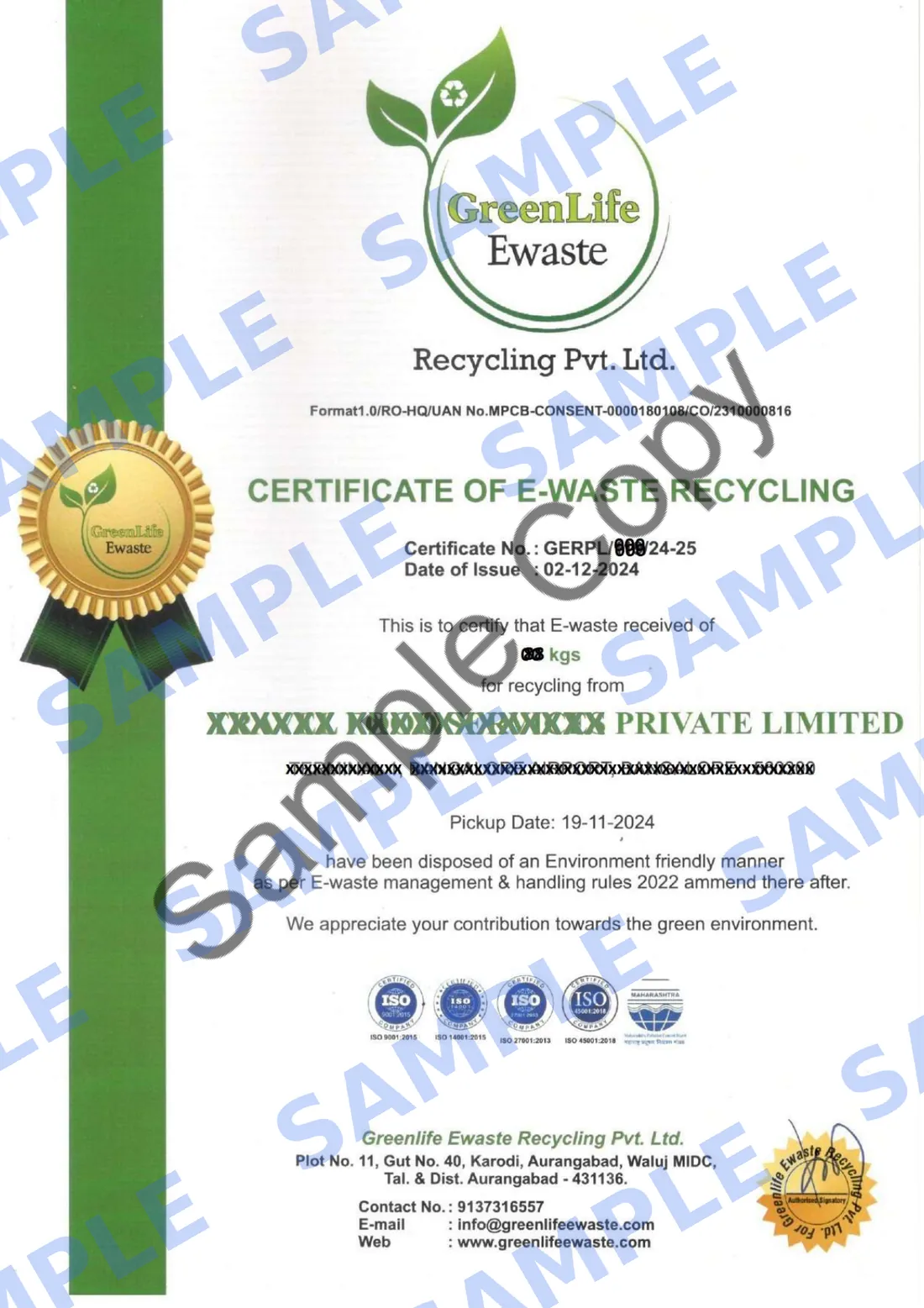
Ask for four things before you sign anything. One: the recycler’s current pollution-control-board authorisation, with the expiry date and the categories it covers. Two: what documentation you receive at the point of collection, not weeks afterwards. Three: what happens to media-bearing devices, described specifically: software erasure, degaussing, physical shredding, or a combination. Four: what certificate you receive after processing, and at what level of detail. A vendor who cannot answer all four in writing is asking you to take the disposal on trust.
Should we just sell old laptops to a scrap dealer?
You can, and for a household it is fine. For a company it creates two exposures. The first is data: once the equipment leaves your premises without a wipe or destruction step, you have no way to establish what happened to the drives inside it. The second is the audit trail: under the E-Waste (Management) Rules, 2022, a bulk consumer must hand e-waste only to a registered producer, refurbisher or recycler, and should be able to show it. An informal sale produces cash and no evidence. The gap usually surfaces at the worst possible moment: during an ISO 27001 surveillance audit, a customer security review, or a regulator’s information request.
What does certified data destruction actually mean?
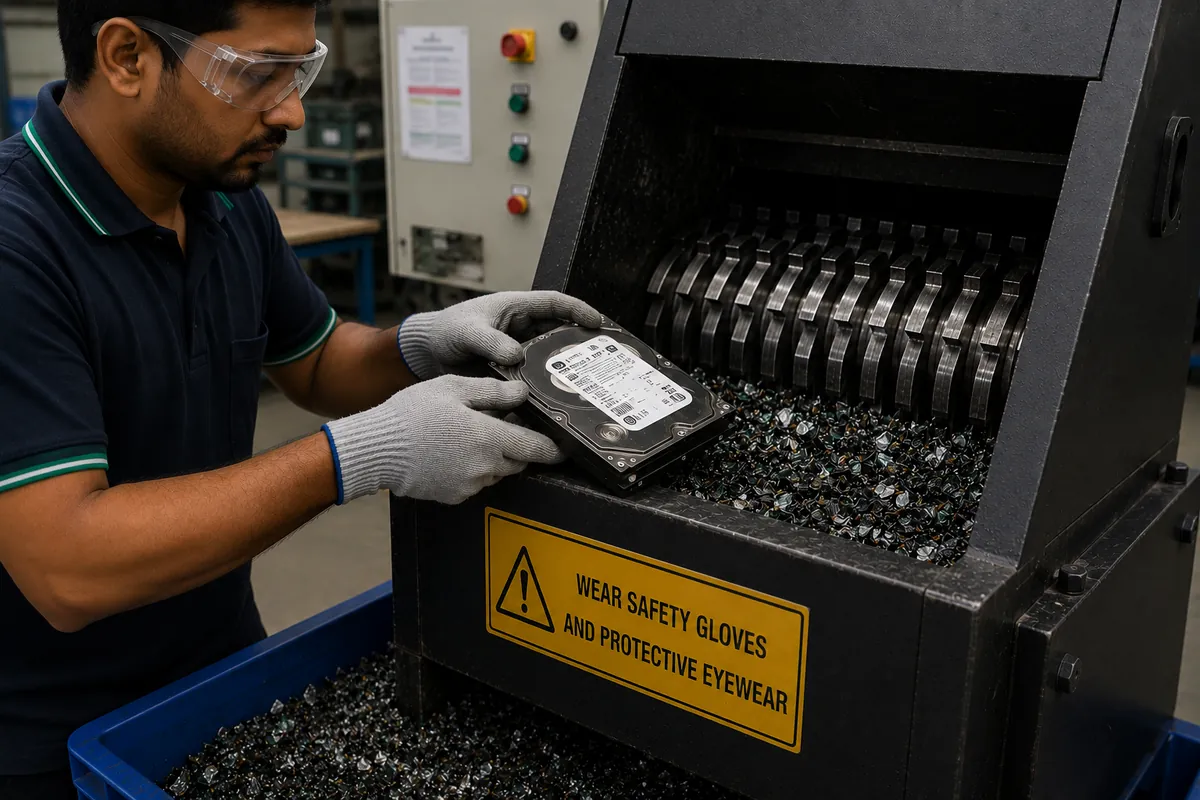
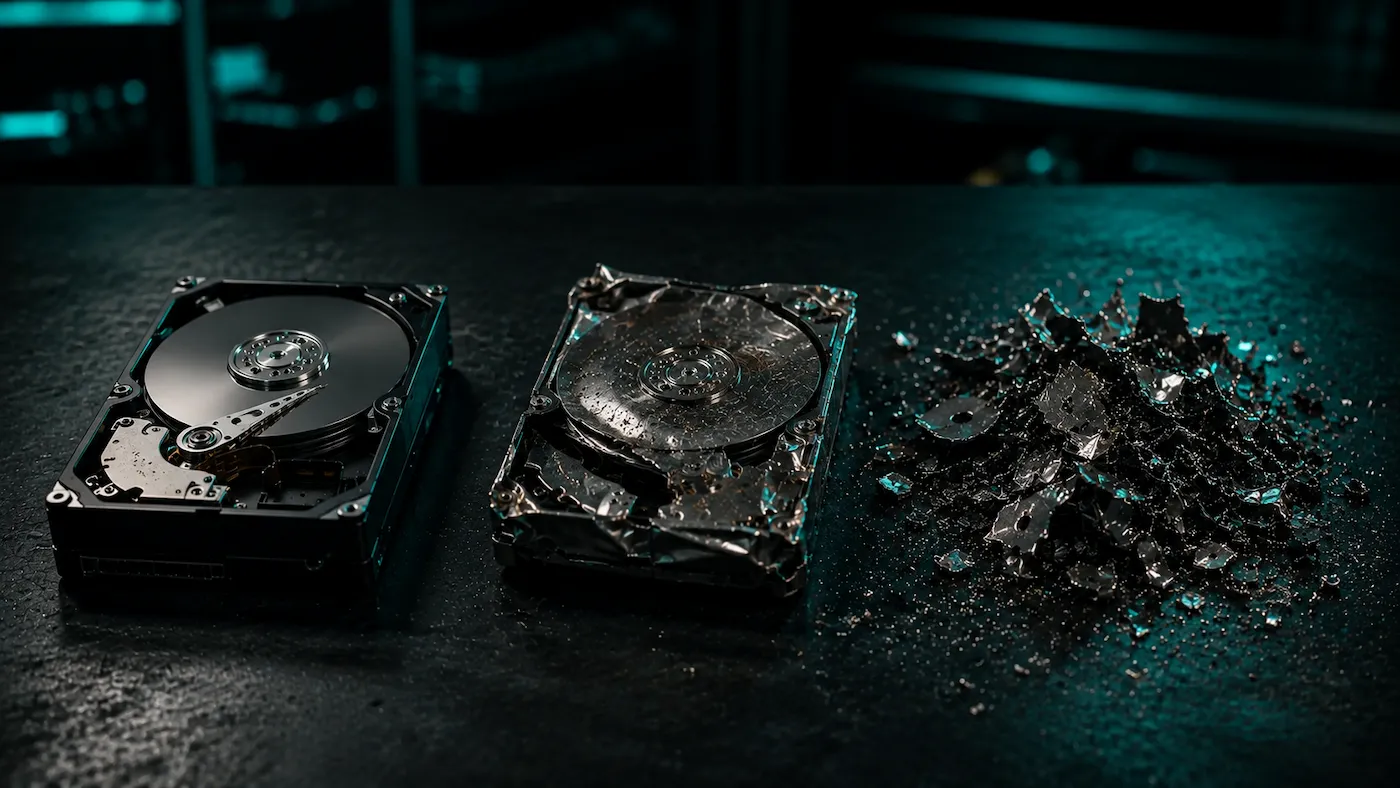
It means one of three physical outcomes, followed by a record. The storage media is overwritten using certified erasure software so the original data cannot be reconstructed; or it is degaussed, destroying the magnetic domains that hold the data; or it is physically shredded into fragments. Deleting files and reformatting a drive do none of these: both leave the underlying data recoverable with freely available tools. The international reference point for media sanitisation is NIST Special Publication 800-88, which separates the outcomes into Clear, Purge and Destroy. See our hard drive destruction page for how each method applies to HDDs versus SSDs.
How long does the whole process take?
We usually reply within 1 to 2 working hours. In Mumbai, Navi Mumbai, Thane and Pune the free onsite assessment usually happens within 24 to 48 hours; other cities are scheduled by appointment. The written quotation follows within 1 to 2 working days of the inspection, and pickup within 1 to 3 working days of the agreed price, anywhere in India. Data destruction certificates are issued the same day when the work is done onsite, or within 2 working days offsite, and the Certificate of E-Waste Recycling within 7 working days of pickup.
Do you handle servers and data centre equipment, not just laptops?
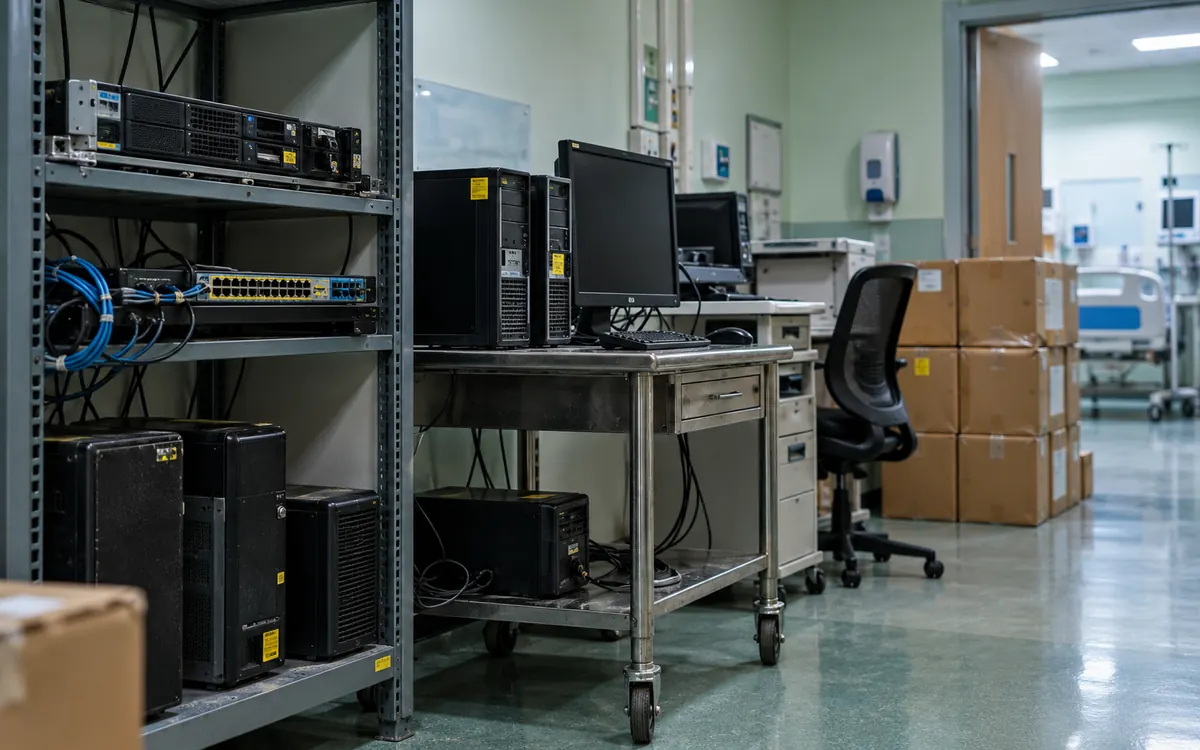
Yes. Servers, storage arrays, switches, racks and UPS units are collected and documented in the same way, though the drive counts involved are far higher: a single storage array can hold more data-bearing media than an entire floor of laptops. See server decommissioning.